Skip to content

Publications

The Reading Room

Tips From Us

12 Oct 2026 | 1 min read

Sail to Tukong Kik Mai Island

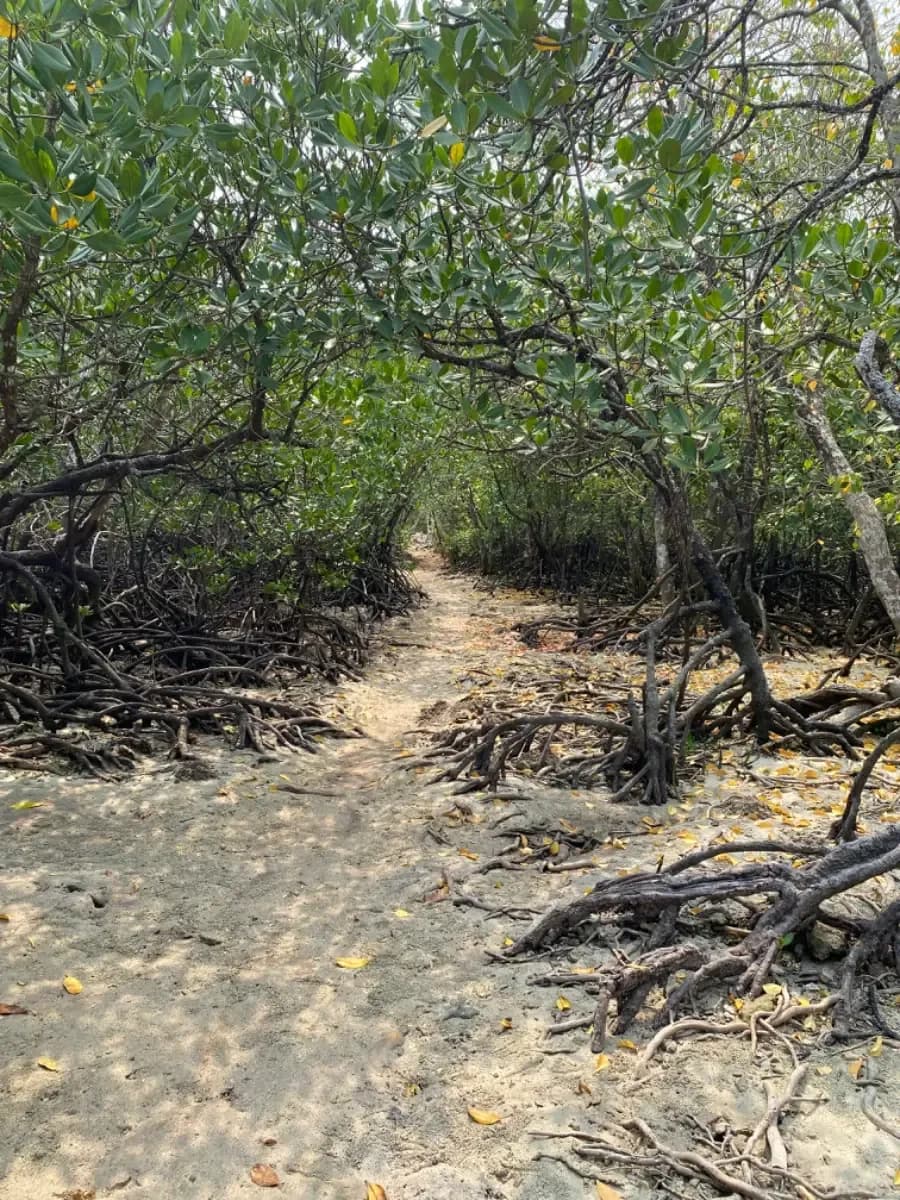
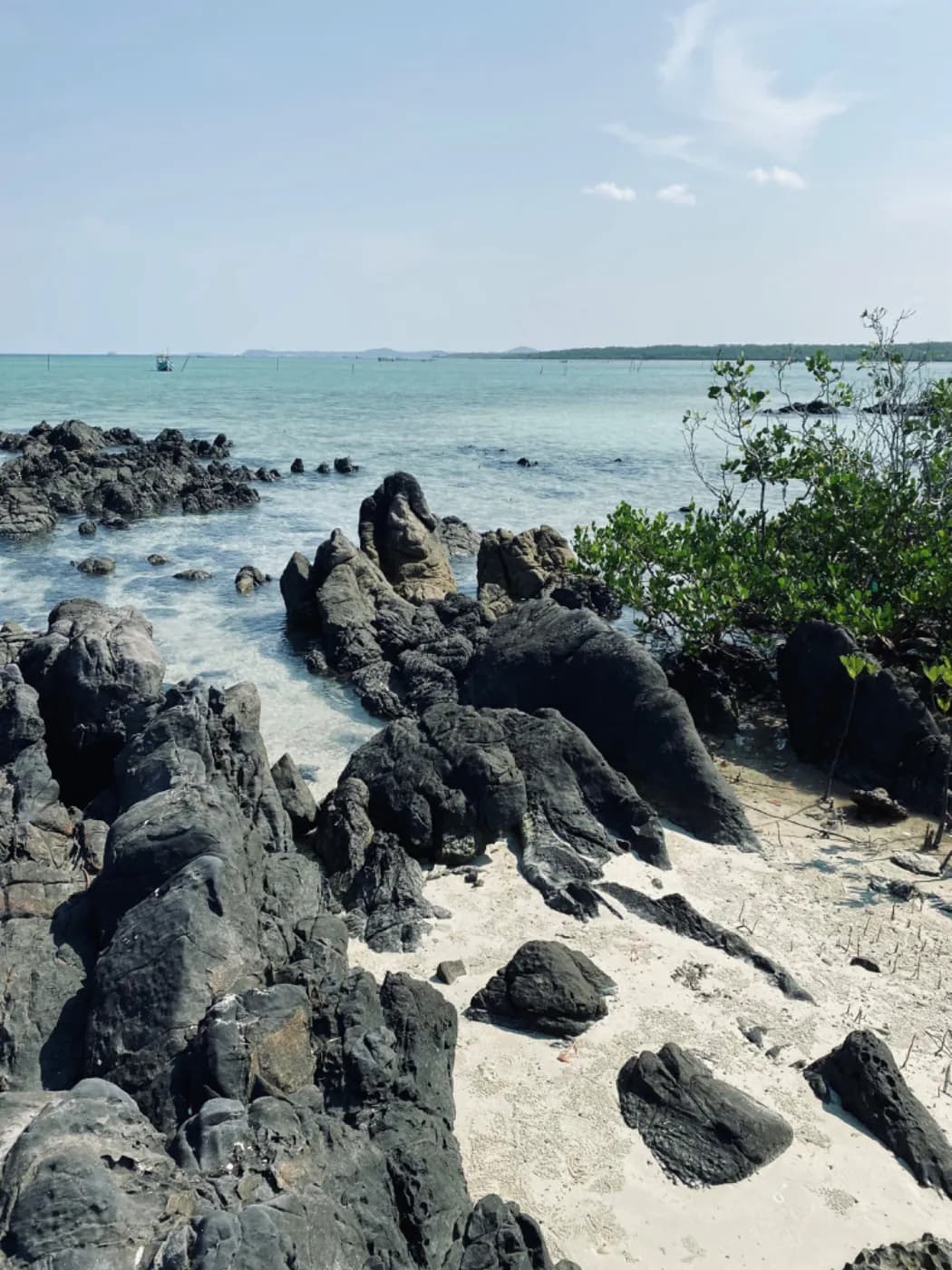
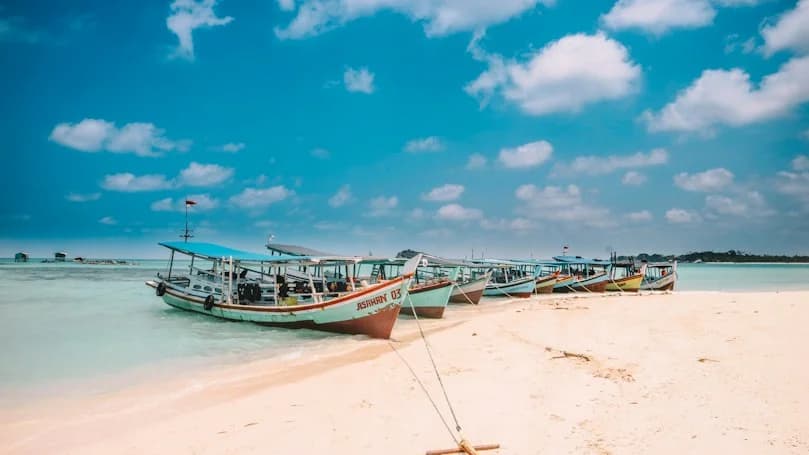
Sail to Tukong Kik Mai Island and escape into the quiet beauty of Belitong’s surrounding waters. Journey across the open sea to a secluded island where untouched coastlines, gentle waves, and the rhythm of nature invite you to slow down, explore the marine landscape, and experience the archipelago beyond the ordinary. A voyage shaped by freedom, solitude, and the timeless spirit of island exploration.

Read Article

Article

Showing 6 Results

Tips From Us12 Oct 2026

Sail to Tukong Kik Mai Island

Sail to Tukong Kik Mai Island and escape into the quiet beauty of Belitong’s surrounding waters. Journey across the open sea to a secluded island where untouched coastlines, gentle waves, and the rhythm of nature invite you to slow down, explore the marine landscape, and experience the archipelago beyond the ordinary. A voyage shaped by freedom, solitude, and the timeless spirit of island exploration.

Opinion12 Sep 2026

Siro and Billiton Food Security System during West Monsoon

Siro and Billiton Food Security System during the West Monsoon explores how island communities adapt to seasonal challenges through traditional knowledge, local gastronomy, marine resources, and food preservation. Discover the resilience of Belitong’s food systems and the ancestral wisdom that sustains island life through changing winds and uncertain seas. When the west monsoon arrives, the sea around Belitong changes character. Strong winds and high waves keep many fishing boats close to shore for weeks at a time, and an island that lives largely from the sea has to find other ways to put food on the table. Part of the answer has always been inland. Rivers, swamps and the edges of the forest offer their own harvest, and the knowledge of how to gather it is passed down within families rather than written in books. The siro, a traditional fish trap of the same family as the bubu, is one of the quiet tools of that knowledge. Set in the right place at the right moment of the season, it catches fish that cannot be taken with a line. Along the Lenggang river in East Belitong, small fish such as the cempedik come in numbers at the start of the rainy season, and that is when traps like these do their work. Food security, in this sense, is less a policy than a habit: knowing which season brings which fish, preserving the surplus, as with rusip, the fermented anchovy relish of Bangka Belitung, and keeping a varied kitchen that does not depend on a single source. As the weather becomes harder to predict, these practices deserve more attention, not less. They are not nostalgia but tested ways of living with a sea that sometimes says no. Writing them down, and asking the people who still practise them, is one small way to make sure they outlast the generation that knows them best.

Tips From Us28 Aug 2026

Explore Ancient Swamp of Tebat Rasau

Explore the Ancient Swamp of Tebat Rasau, a living landscape where ancient waterways, distinctive ecosystems, and ancestral traditions converge. Discover the ecological wisdom, biodiversity, and cultural heritage of Belitong’s inland wetlands, revealing the enduring relationship between local communities and the natural world. Tebat Rasau lies in East Belitong, along the Lenggang river, and is one of the geosites of the Belitong UNESCO Global Geopark, recognised in 2021. Its appeal is quiet: slow water, dense stands of rasau, and a landscape that feels far older than the roads that lead to it. Scientists describe the area as the remains of an ancient river system. Fish living here, such as the Asian arowana and a freshwater pufferfish, are part of the story of how Belitong was once joined to Sumatra and Borneo by land, when sea levels were much lower during the Ice Age. The rasau itself, a pandan-like plant that gives the place its name, matters to the people who live nearby. Its leaves are woven into mats and baskets, and its thick growth along the banks helps slow the water when the river floods. Since 2018 a local community group has worked to look after the river and to welcome visitors. A few tips for a visit: go with a local guide, who can explain the river's plants, fish and stories; travel slowly by boat and keep the noise down; ask before photographing people at work; and leave the river as you found it, with no litter and no plants or fish taken. If you have time, join a rasau weaving session. It is the best way to understand why this plant is so valued here.

Opinion15 Aug 2026

Inside Nek Santen Cave in Gunong Kubing UNESCO Geosite

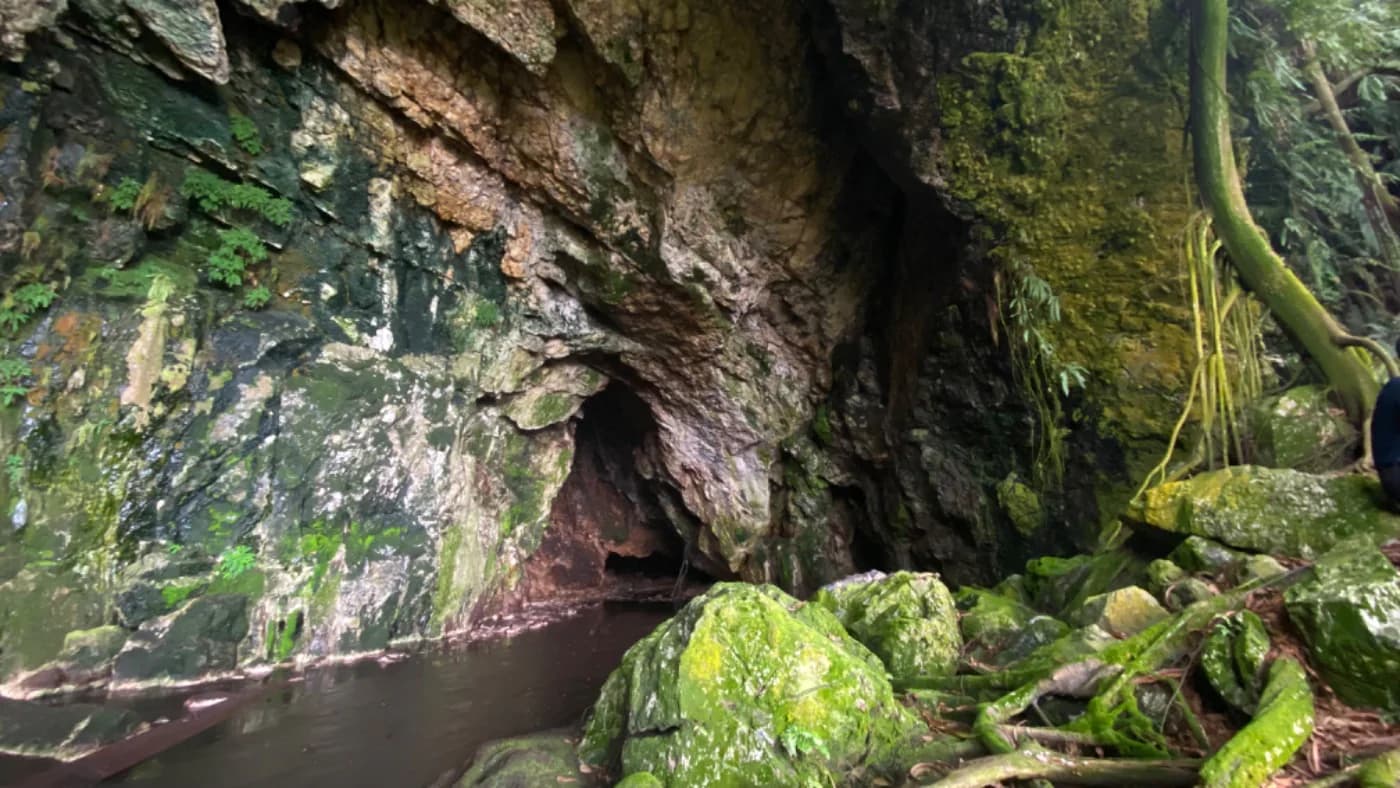
Venture inside Nek Santen Cave at Gunong Kubing UNESCO Global Geopark, where ancient limestone formations and subterranean landscapes reveal the geological history of Belitong. Explore the cave’s natural character, discover its connection to local heritage, and experience the quiet mystery of a landscape shaped by time. On the slopes of Gunong Kubing, in the Membalong district of southwest Belitong, Nek Santen Cave is one of the island's quieter places. It sees far fewer visitors than the beaches of the north, and that is much of its charm: the walk in, the cool air at the entrance, and the sudden dark inside. The cave is home to a large colony of bats. They are shy and keep their distance, but they are easily disturbed, so the cave asks for a different kind of behaviour from its visitors: speak softly, move slowly, and leave the flash off. Like many places on the island, the cave carries a name and stories that belong to the communities around it. Asking local guides about them, and listening rather than collecting, is part of the visit. Practical notes: the drive from Tanjung Pandan to Membalong takes around an hour and a half. Bring a torch, sturdy shoes with good grip, water and gloves, and go with someone who knows the way. Leave nothing behind, and take nothing out but photographs taken without flash.

News02 Aug 2026

Climate Anxiety: The Psychology of Living in a Changing Planet

Join Muhammad Belva Juliadi in a thought-provoking seminar on climate anxiety, exploring the psychological impact of environmental change and the uncertainty of our planet’s future. Through an interdisciplinary perspective, the discussion examines how climate concerns shape human emotions, perceptions, and behavior, while exploring psychological resilience, emotional awareness, and meaningful ways to respond to the climate crisis. Climate anxiety, sometimes called eco-anxiety, describes the worry, grief and unease many people feel when they think about environmental change and the future of the planet. It is not a formal diagnosis, and in many ways it is an understandable response to real events. When it becomes overwhelming, though, it can affect sleep, mood and the ability to act. In this seminar, Muhammad Belva Juliadi, licensed psychologist and co-founder of The Tuan Kuase, looks at climate anxiety from several angles: how environmental news shapes our emotions and perceptions, why some people respond with action and others with avoidance, and what we know about stress and resilience. The session also turns to practice: recognising anxiety in ourselves and in others, talking about it without spreading panic, and turning concern into meaningful steps, individually and as a community. On an island like Belitong, where the sea and the seasons shape daily life, these are not abstract questions. To hear about future seminars, get in touch through the form on this page.

Scientific Reports05 Jul 2026

Understanding Belitung Shipwreck in Batu Itam Village UNESCO Geosite

Discover the story of the Belitung Shipwreck at Batu Itam Village, a UNESCO Geosite that offers a glimpse into the maritime history of the region and its connections to ancient trade networks. Explore the archaeological significance of the shipwreck, uncover the movement of people, goods, and ideas across the seas, and reflect on Belitong’s enduring role in the cultural exchanges that shaped the wider maritime world. In 1998, fishermen off the coast of Belitong found the remains of a ship on a reef a few kilometres offshore, at a depth of about seventeen metres. The reef, Batu Hitam, or "black rock", gave the wreck one of its names; it is also known as the Belitung or Tang shipwreck. The ship was an Arab dhow, a sailing vessel whose planks were stitched together with coconut-fibre rope rather than fastened with nails. It is considered the first of its kind found in Southeast Asian waters, and it was probably sailing between China and the Arabian Peninsula in the ninth century. Its cargo was extraordinary. Some 60,000 objects were recovered, most of them ceramic bowls from the Changsha kilns in Hunan, China, along with pieces of gold and silver and metal ingots. One bowl carries an inscribed date corresponding to the year 826, which helps place the voyage in the second quarter of the ninth century. Much of the cargo is now in Singapore, at the Asian Civilisations Museum. The wreck tells a story larger than one ship: of a sea route that linked Tang China with the Arab world, and of Belitong's place along it. It also raises questions about how underwater heritage should be studied and cared for, since the commercial salvage of the site, which began in 1998, is still debated among archaeologists. For visitors, the coast near Batu Itam is a place to reflect on that history: on the sea as a highway, and on the people, goods and ideas that have passed Belitong for more than a thousand years.

Let Us Show You Around

Book your spot, join our club, or simply say hello. There’s always a place for you here.

Save Your Spot

A place is waiting for you. Pick a date that suits you, and we’ll take care of the rest.

Book Now

Let’s Talk

Tell us what’s on your mind. We’d love to hear from you and will reply as soon as we can.

Contact Us

Join Our Private Club

Become a member and enjoy early access exclusive programs, and the latest updates.

Join Now