Understanding Belitung Shipwreck in Batu Itam Village UNESCO Geosite
05 Jul 20262 min read
Discover the story of the Belitung Shipwreck at Batu Itam Village, a UNESCO Geosite that offers a glimpse into the maritime history of the region and its connections to ancient trade networks. Explore the archaeological significance of the shipwreck, uncover the movement of people, goods, and ideas across the seas, and reflect on Belitong’s enduring role in the cultural exchanges that shaped the wider maritime world.
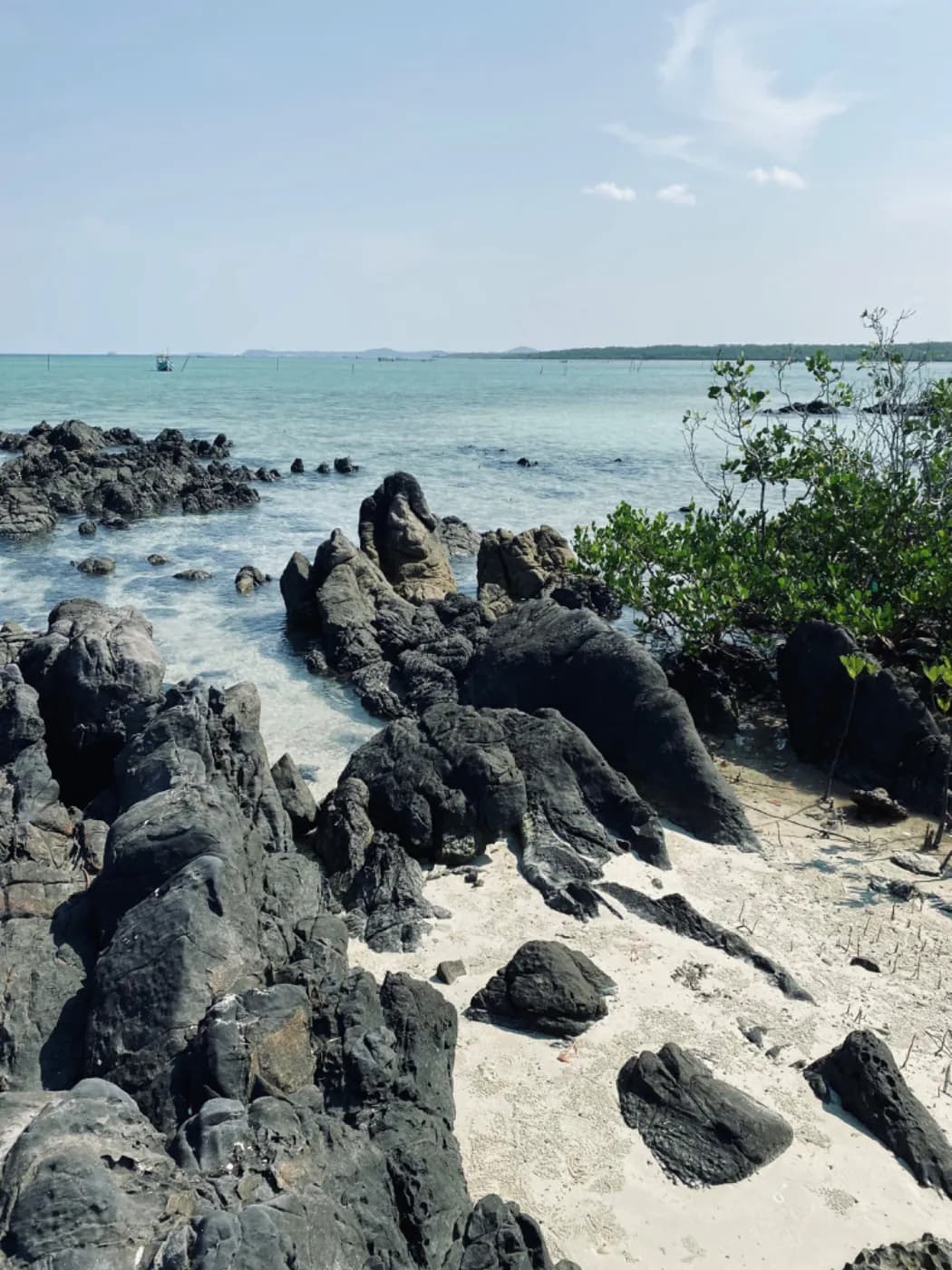
In 1998, fishermen off the coast of Belitong found the remains of a ship on a reef a few kilometres offshore, at a depth of about seventeen metres. The reef, Batu Hitam, or "black rock", gave the wreck one of its names; it is also known as the Belitung or Tang shipwreck.
The ship was an Arab dhow, a sailing vessel whose planks were stitched together with coconut-fibre rope rather than fastened with nails. It is considered the first of its kind found in Southeast Asian waters, and it was probably sailing between China and the Arabian Peninsula in the ninth century.
Its cargo was extraordinary. Some 60,000 objects were recovered, most of them ceramic bowls from the Changsha kilns in Hunan, China, along with pieces of gold and silver and metal ingots. One bowl carries an inscribed date corresponding to the year 826, which helps place the voyage in the second quarter of the ninth century. Much of the cargo is now in Singapore, at the Asian Civilisations Museum.
The wreck tells a story larger than one ship: of a sea route that linked Tang China with the Arab world, and of Belitong's place along it. It also raises questions about how underwater heritage should be studied and cared for, since the commercial salvage of the site, which began in 1998, is still debated among archaeologists.
For visitors, the coast near Batu Itam is a place to reflect on that history: on the sea as a highway, and on the people, goods and ideas that have passed Belitong for more than a thousand years.